
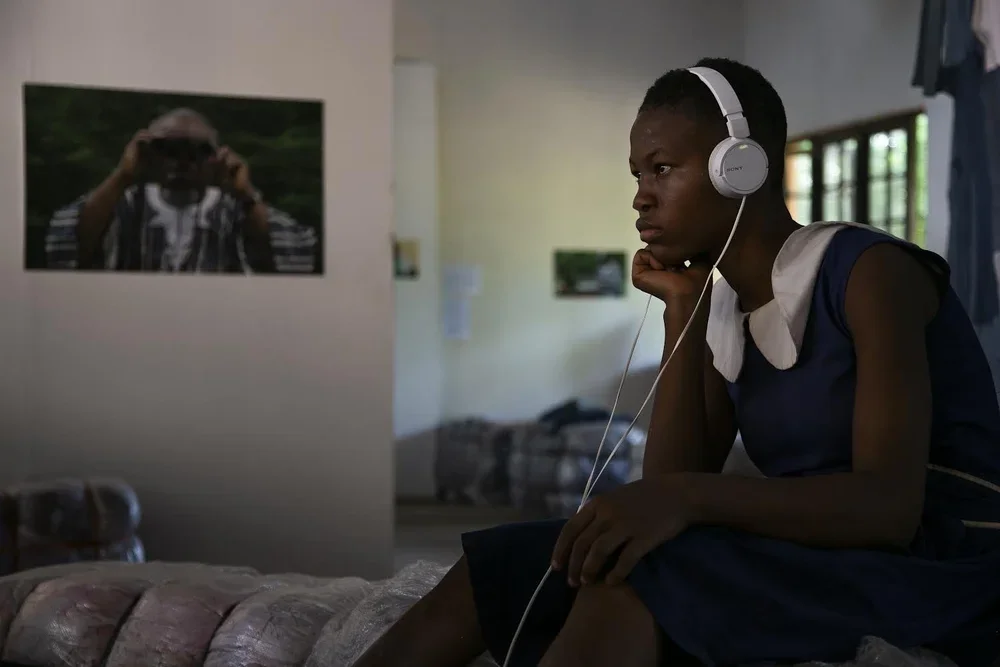
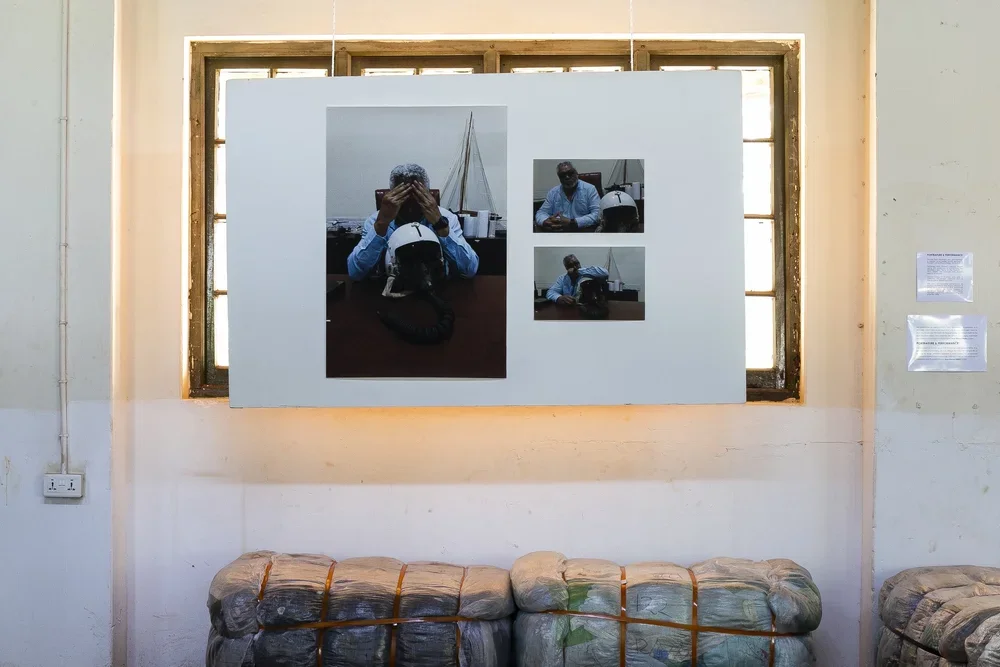
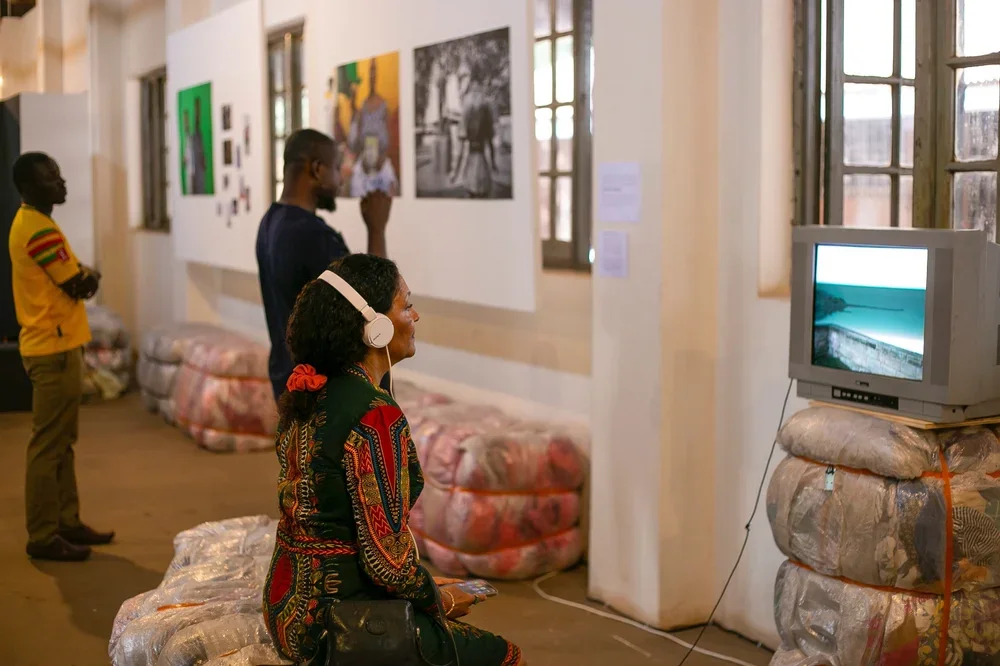
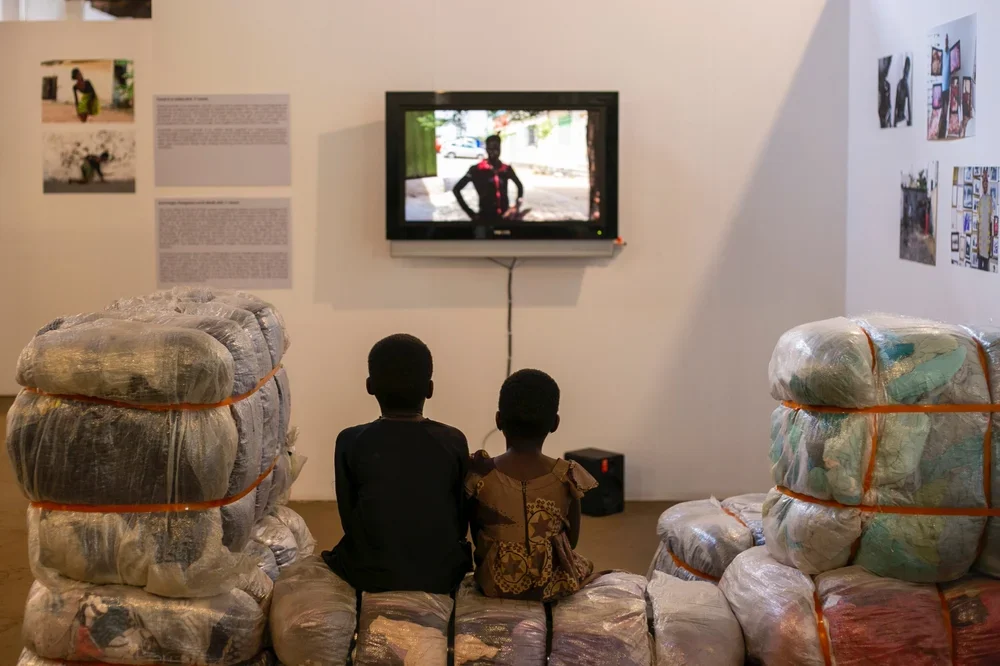
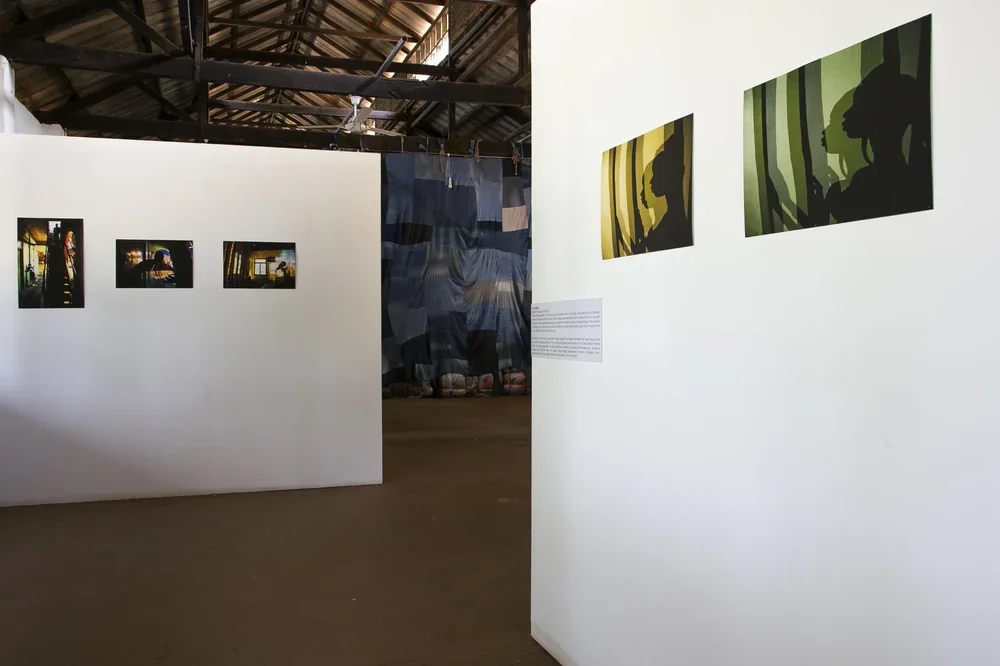
A video fly-through of ROUTES OF REBELLION, a major solo exhibition of films and audio-visual media by Jesse Weaver Shipley at Nuku Studio in Tamale, Ghana. The show explores the aesthetics of Cold War and anti-imperial cultural and political movements from the 1970s through 2000s, tracing the paths that radical artists, athletes, and thinkers travel in challenging power. Shipley’s art focuses on how revolutionaries transform the way we perceive things. Twelve installation films and a photographic cycle of 80 images—and a two-channel video installed at nearby Red Clay—follow both real and fiction creative renegades who dare to be different. Routes of Rebellion is on until 29 February 2024.
Exhibition
Routes of Rebellion
“Shipley is a storyteller for our times,” says Nuku Studio Director Nii Obodai who conceived of the show. “He is not above the story but inside it and speaks from experience. He builds his work through deep relationships with people and places, and in the process, his subjects become co-creators of the narratives. Part of Shipley’s skill and ‘privilege’ as an outsider to Ghana is that he forges connections and accesses a breadth of stories that many of us cannot easily retrieve. He brings out our history, our politics, and our arts in ways that few of us have been able to tap into. Isn’t that the job of the artist as researcher? To take what we can’t see and bring it into the physical realm,” says Obodai. “It is a great honor for Nuku to bring these stories of revolutionaries and movements into one interconnected space. We hope that students and artists in Ghana and around the world can see this exhibition as another starting point for inspiring broad and deep investigations.”
Nuku Studio
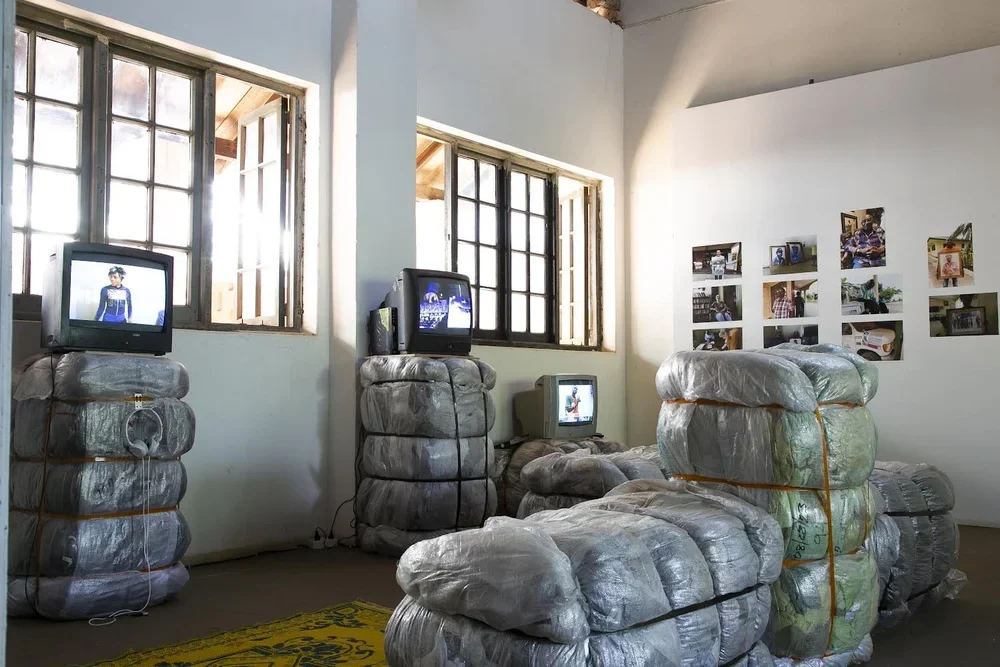
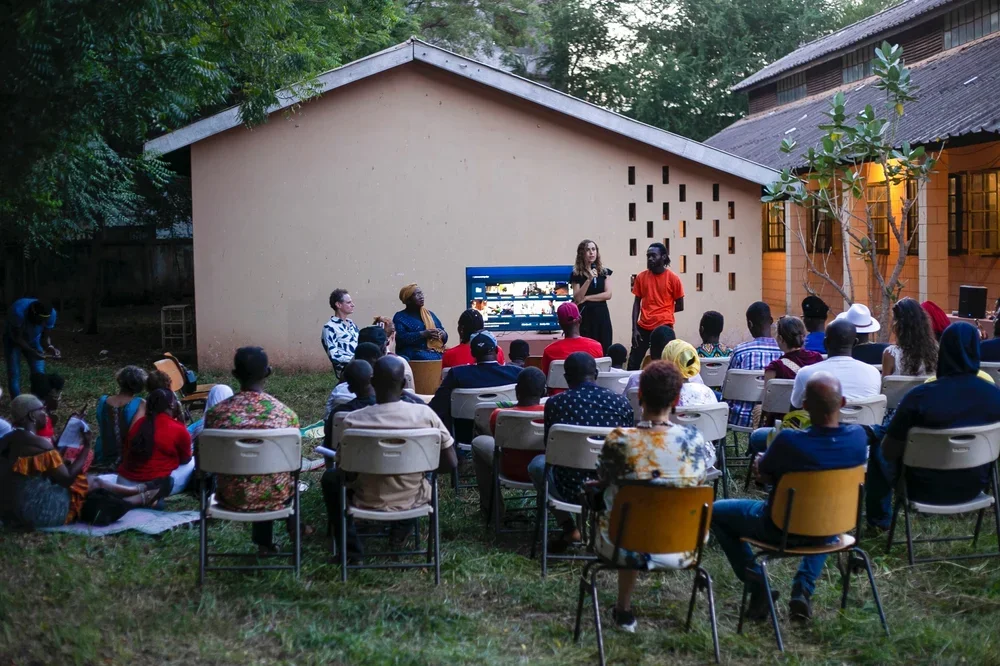
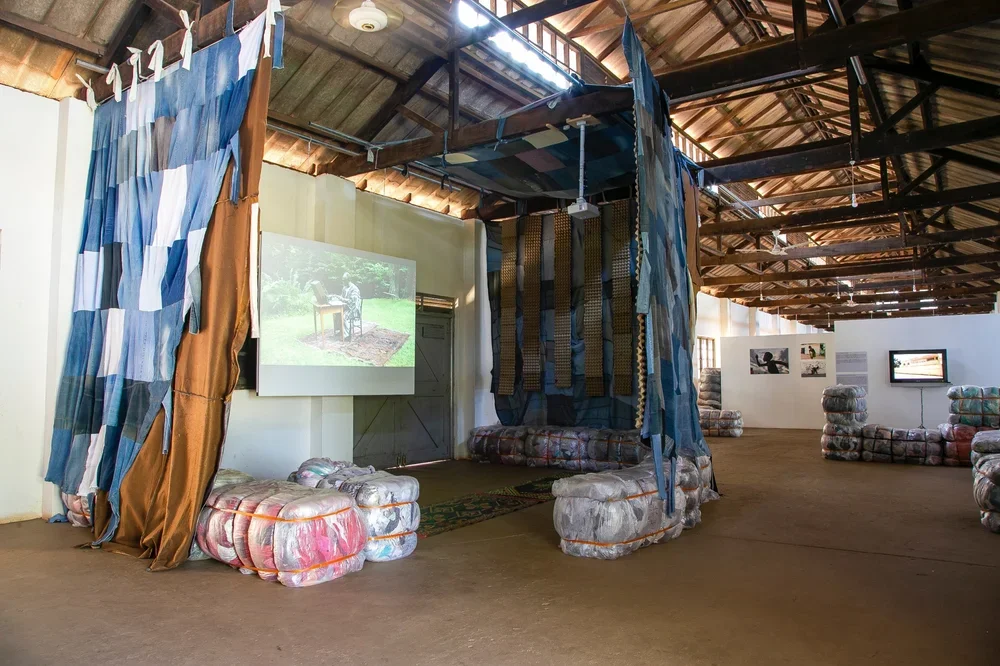
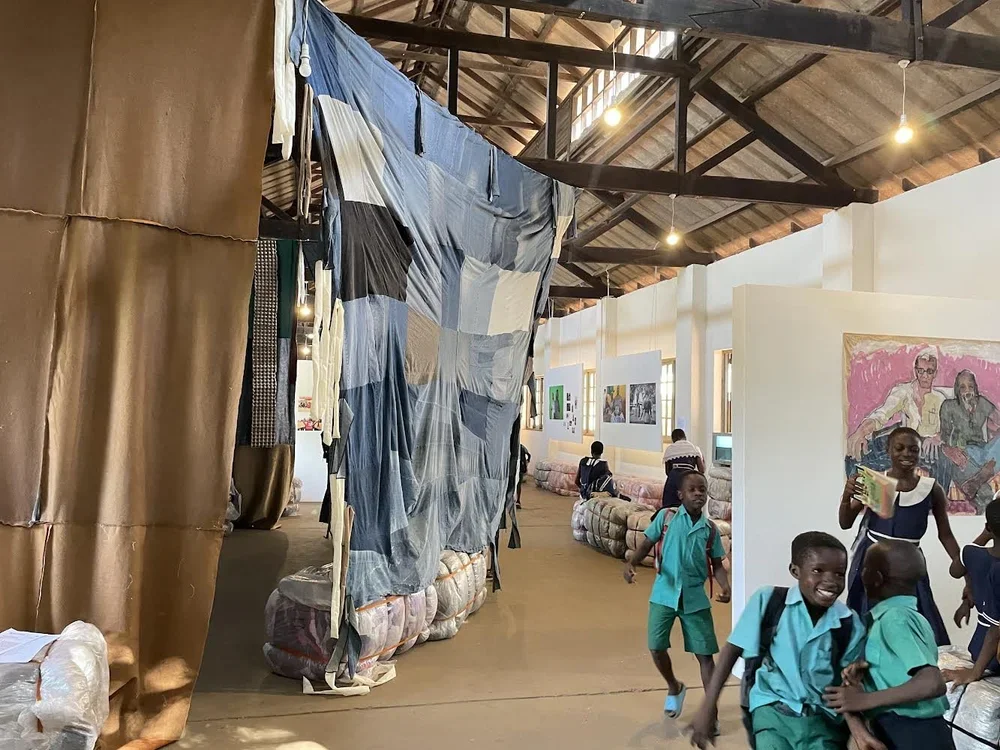
Film
Routes of Rebellion
Premiere:
Nuku Studio
November 2, 2023
Installed at Red Clay Studio, Tamale, Ghana
This is one channel of a two-channel video film that explores power from different angles, tracking the distance between an event and how it is remembered. The two tales viewed together open conversations on trauma and memorialization. This channel follows the route soldiers traveled across Accra as they attempted a coup d’état. On the morning of June 19, 1983, rebel soldiers took over Ghana Broadcasting House and were poised to remove the regime before government forces dislodged them. Throughout the day the rebels and loyalists chased each other across the city. The film reflects the uncertainty of the day of the coup as citizens sat by their radios awaiting the outcome. It shows jittery and faded images of the streets of Accra, footage that appears to be old, but was shot in 2023 on a vintage tape camera. The camera cannot focus on a singular point of reference, flickering images reflecting how this event—so vital at the time-disappeared from public memory. The soundtrack is a mix of announcements by coup leaders, government soldiers, broadcasters, and songs. It is remixed from actual bootleg cassette recordings made from the radio during the day of the coup attempt, which circulated for decades as unofficial accounts of the events. The work is inspired by how photographers, cinematographers, radio announcers, and journalists report on violent political events. Just as soldiers seek strategic positions across the city, the artist looks for meaning in constant motion.