Jesse Weaver Shipley
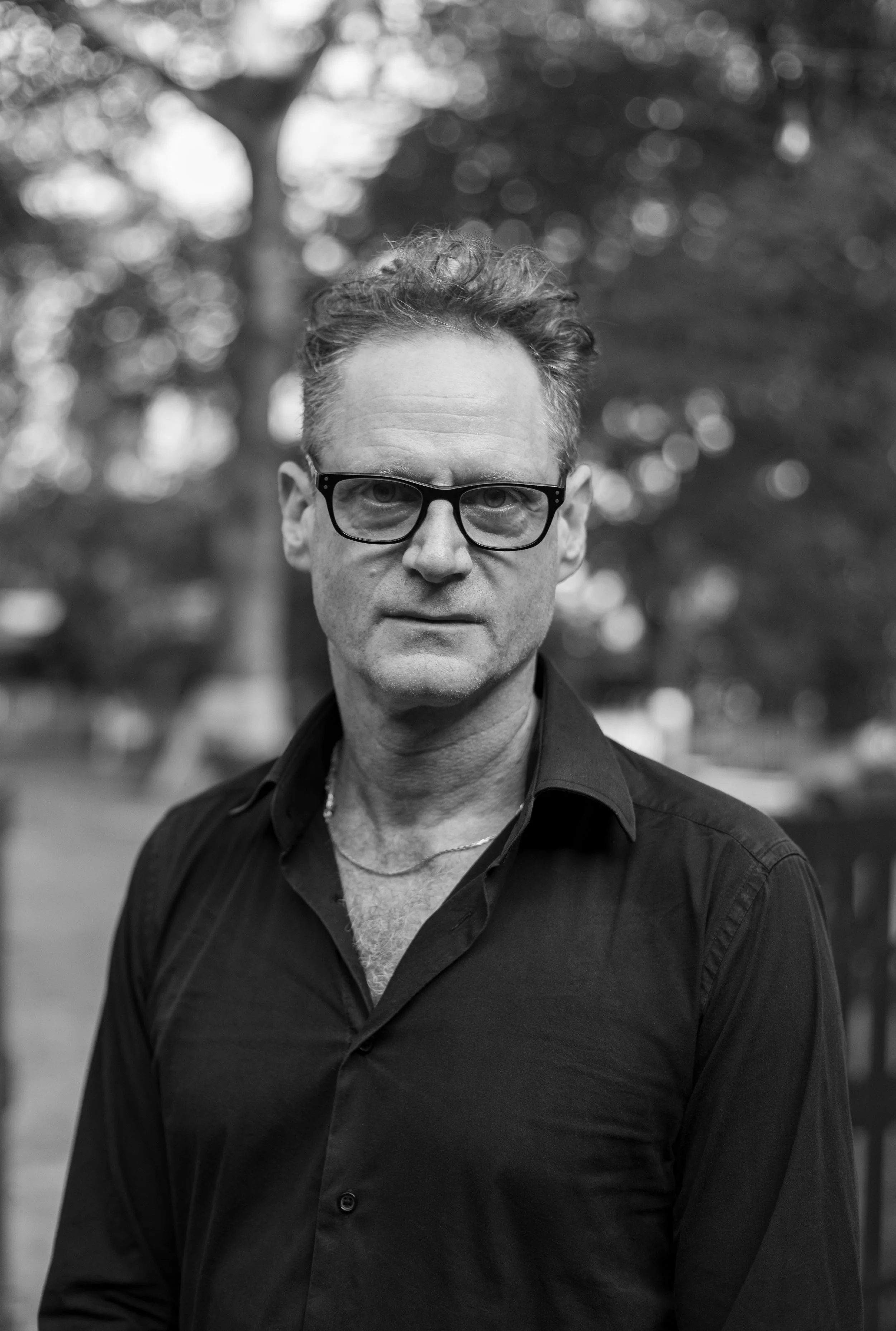
Jesse Weaver Shipley is an artist, curator, filmmaker, and writer who explores the links between aesthetics and power. His work examines both spectacular multi-media events and mundane daily life in Ghana, Nigeria, South Africa, Britain, and North America. His films, images, and multi-media installations experiment with storytelling and portraiture, drawing on a variety of phenomena, including analogue and digital technology, popular culture, music, theatre, urban design, labor, race, gender, and mobility.
He is Professor of African and African American Studies and Oratory at Dartmouth College in the United States. He has lectured and his work has shown across Europe, North America, Asia, and Africa. He is the author of numerous articles and books including Living the Hiplife: Celebrity and Entrepreneurship in Ghanaian Popular Music and Trickster Theatre: The Poetics of Freedom in Urban Africa. He is completing a film on global fashion and book entitled Aesthetics of Revolution: Political Performance and the Shape of Power. His films include: Is it Sweet?: Tales of an African Superstar in New York; Black Star: The People’s Game; High Tea; and Burnt Images: Photography and its Afterlife.
Shipley’s cinematic style envisions image and sound-making as ongoing dialogues rather than stable methods of knowledge production. He made these works while forging long-term collaborations with other artists and cultural theorists in twenty years of research-based practice moving between Ghana, New York, and London. His commitment to linking social research with experimental image-making epitomizes Nuku Studio’s mission of using photography as a tool for cutting-edge cultural investigations.
“Shipley is a storyteller for our times,” says Nuku Studio Director and photographer Nii Obodai who conceived of the show. “He is not above the story but inside it and speaks from experience. He builds his work through deep relationships with people and places, and in the process, his subjects become co-creators of the narratives. He lives and works in New York City.
RECENTLY
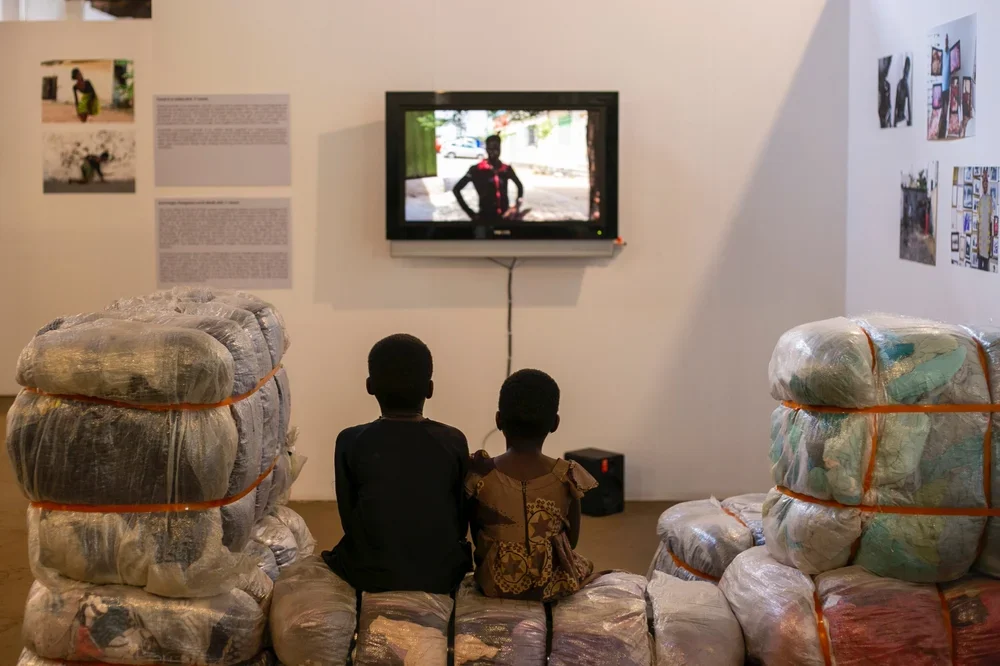
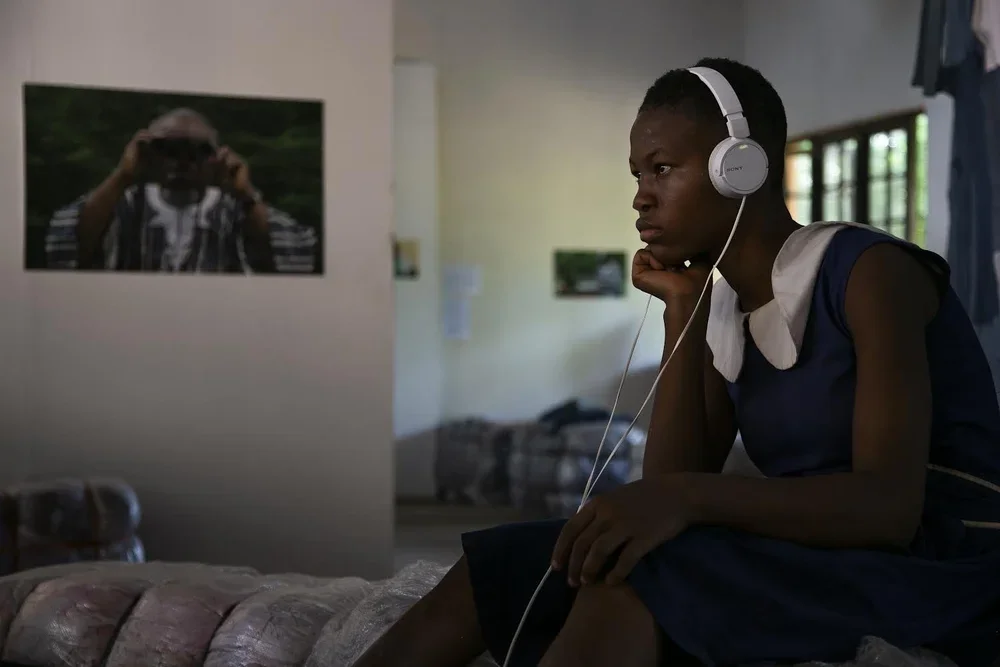
Shipley’s recent single artist show, Routes of Rebellion, was a major exhibition of his films and audio-visual media at Nuku Studio in Ghana. Shipley’s twelve installation films, photographic cycle of eighty images, and two-channel video installation at nearby Red Clay follow real and fictional creative renegades who dare to be different The work explores how revolutionaries transform our perception. The works draw on the aesthetics of anti-imperial cultural and political movements from the 1970s through 2000s, tracing the paths that radical artists, athletes, and thinkers travel in confronting power. Shipley’s images and sonic work challenge narrative conventions and experiment with storytelling by blending documentary, fiction, music video, and experimental techniques. The exhibition space is designed using upcycled bales of used clothing embodying how aesthetics are always both material and ephemeral. He follows real and fictional creative renegades who dare to be different. “Rebels are often people who move between worlds, culture-brokers constantly in motion, looking and listening from various angles simultaneously,” says Shipley. “But insurgent creativity comes at a cost. As people imagine new ways of living, they struggle to be understood.” In telling stories of people transforming themselves and the world, Shipley reveals how the past haunts the present.